C vs C++ vs Python: Which Programming Language Should You Choose?

Programming languages play an essential role in the world of technology. The purpose of programming languages is to enable programmers to create instructions that computers can execute. With the increasing demand for technology, programming languages have evolved to become more sophisticated and user-friendly. Three of the most popular programming languages today are C, C++, and Python. In this article, we will explore the differences between these three languages.
https://youtu.be/Vdy_GmnS2wQ
"Refer to this video for more conceptual Understandings"
C Programming Language
C is a high-level programming language that was developed by Dennis Ritchie at Bell Labs in 1972. It was initially designed to write the Unix operating system, but it is now used for a wide range of applications, including embedded systems, video games, and desktop applications. C is a compiled language, which means that the code is translated into machine language before execution. This makes C faster than interpreted languages like Python. C is a procedural language, which means that it follows a step-by-step approach to solving problems. C is known for its performance, efficiency, and low-level access to hardware.

C++ Programming Languages
C++ is an extension of the C programming language, developed by Bjarne Stroustrup in 1983. C++ was designed to enhance C's capabilities by adding object-oriented programming concepts. It is widely used for developing operating systems, games, and high-performance applications. C++ is also a compiled language, but it supports both procedural and object-oriented programming. It provides several features like classes, templates, and inheritance, which makes it easier to write complex programs. C++ is known for its high performance, flexibility, and low-level access to hardware.
Python Programming Language
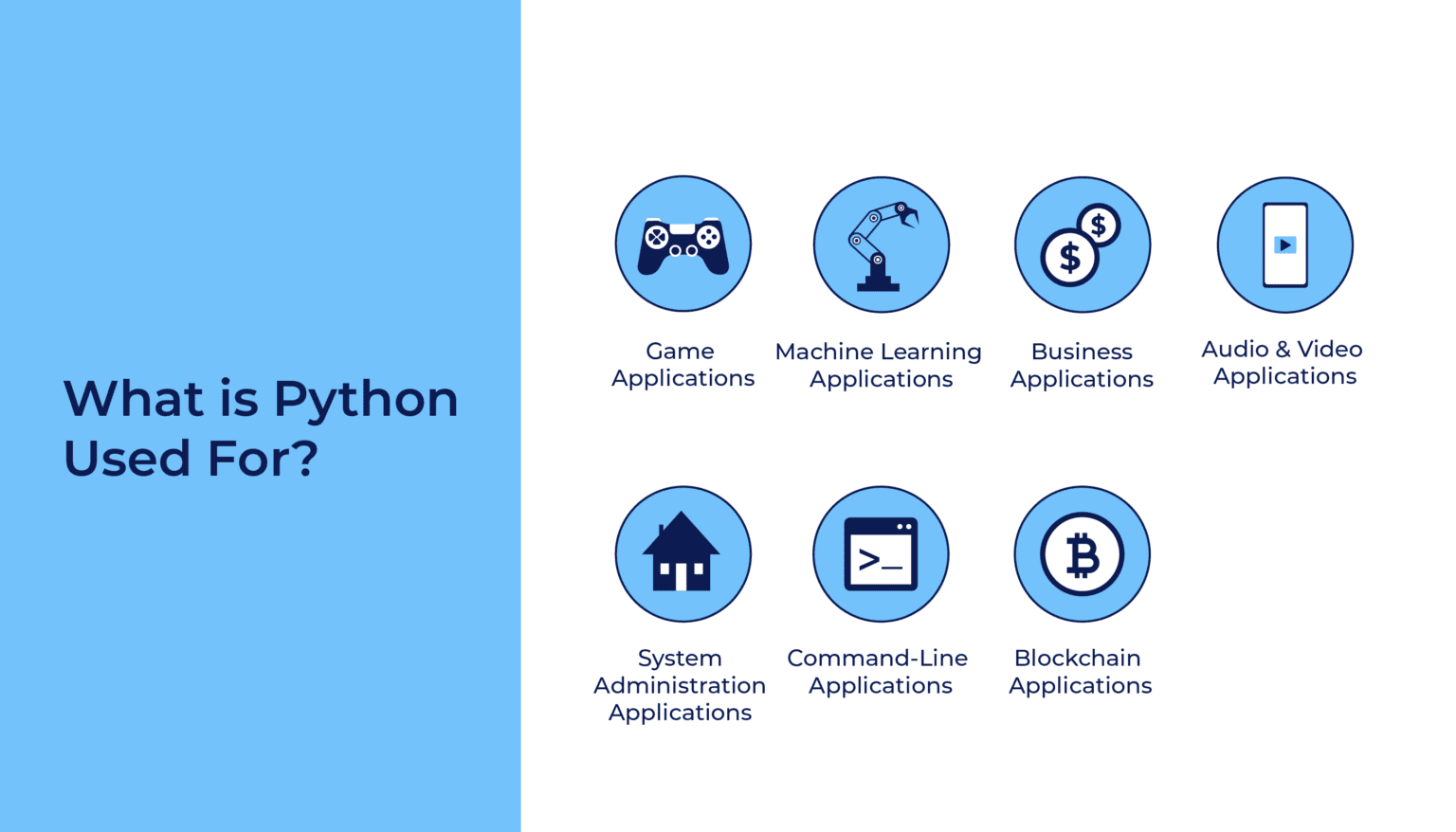
Python is a high-level, interpreted programming language developed by Guido van Rossum in 1991. Python is a general-purpose language that is widely used for web development, machine learning, data analysis, and automation. Python is an interpreted language, which means that the code is executed directly without prior compilation. This makes Python slower than compiled languages like C and C++. Python is an object-oriented language, but it also supports procedural and functional programming. It provides several built-in data structures and libraries, making it easier to write complex programs. Python is known for its simplicity, readability, and ease of use.
Differences Between C, C++, and Python
Now that we have a basic understanding of these three languages, let's look at some of the key differences between them.
Syntax: C and C++ have a syntax that is more complex than Python. Both C and C++ use semicolons and curly braces to indicate the beginning and end of statements, whereas Python uses indentation. This makes Python code more readable and easier to understand for beginners.
Performance: C and C++ are compiled languages, which means that they are faster than Python, which is an interpreted language. C and C++ have low-level access to hardware, which makes them ideal for applications that require high performance.
Object-Oriented Programming: C++ was designed to support object-oriented programming, while C was not. Python is an object-oriented language, but it also supports procedural and functional programming. Libraries: Python has a large collection of built-in libraries that make it easier to write complex programs. C and C++ do not have as many built-in libraries, but they do have third-party libraries that provide similar functionality.
Ease of Use: Python is known for its simplicity and ease of use. Its syntax is easy to understand, and it requires fewer lines of code than C and C++. This makes it a popular choice for beginners and non-technical users.
Usually C, C++, and Python are all powerful programming languages that have unique features and capabilities. C and C++ are ideal for applications that require high performance and low-level access to hardware, while Python is ideal for applications that require ease of use and faster development. Each language has its strengths and weaknesses, and choosing the right language for a particular project depends on the project's requirements and the developer's experience.

Overall, C and C++ are best suited for low-level system programming and applications that require high performance, such as operating systems, video games, and embedded systems. Python is best suited for high-level programming, automation, data analysis, and web development. It is also a popular language for machine learning and artificial intelligence due to its large collection of libraries and frameworks.
When choosing a programming language for a project, it's important to consider factors such as the project's requirements, the developer's experience, and the available resources. Learning multiple languages can also be beneficial, as it allows developers to choose the right tool for each project and expand their skill set.
Finally, C, C++, and Python are all popular and powerful programming languages with their own unique features and capabilities. Each language has its strengths and weaknesses, and choosing the right language for a project depends on the project's requirements and the developer's experience.
Thank you for taking the time to read this article. We hope that it has provided you with valuable insights into the differences between C, C++, and Python programming languages and helped you make an informed decision about which language to use for your next project. If you have any further questions or comments, please don't hesitate to reach out.
#programminglanguages #C #C++ #Python #coding #softwaredevelopment #computerscience #tech #Xbox #PlayStation #gaming #consolewars #gameon #virtualreality #backwardcompatibility #controllerdesign #communitysupport #accessibility #availability #endlesspossibilities


Comments
Post a Comment